
Your car’s braking system is its most crucial safety feature, ensuring you can stop safely while navigating busy streets or cruising on the highway. But how do you know when it’s time for a brake replacement? Understanding the importance of maintaining your car’s brakes, recognizing the warning signs of brake wear, and taking timely action can enhance your vehicle’s stopping power and overall safety. This comprehensive guide delves into everything you need to know about brake replacement, from how your car’s braking system works to the benefits of professional care.
How Your Car’s Braking System Works
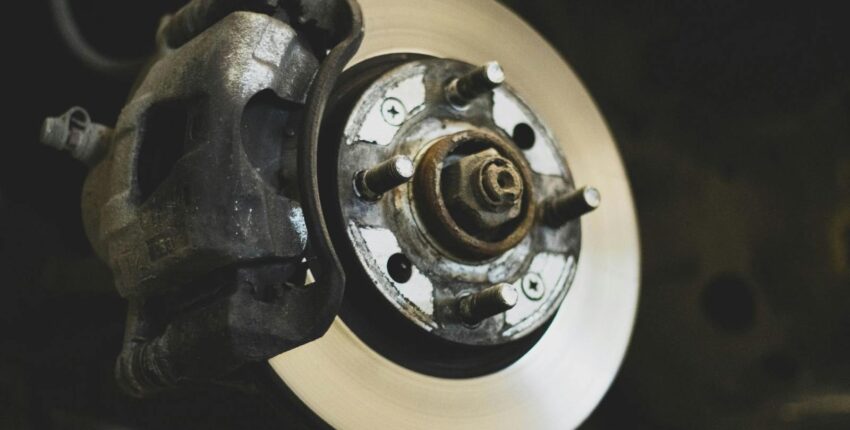
To appreciate the importance of brake maintenance, it helps to understand how your car’s braking system functions. Most vehicles are equipped with either disc brakes or drum brakes, or a combination of both. Disc brakes are the more common type in modern cars due to their superior performance. These brakes use a rotor (or disc) and brake pads to generate friction, which slows the vehicle. On the other hand, drum brakes rely on brake shoes inside a drum to create the necessary stopping force. While less efficient than disc brakes, some cars still use drum brakes, often on the rear wheels.
Both systems are part of the larger car braking system, including the brake pedal, brake lines, master cylinder, and brake fluid. Together, these components ensure the safe and effective operation of your vehicle. Over time, critical parts like brake pads, rotors, and fluid wear out or degrade, making regular maintenance and timely brake replacements essential.
Recognizing the Warning Signs of Brake Wear
Your car has ways of letting you know when its brakes need attention. Ignoring these warning signs can compromise safety and lead to more extensive and costly repairs. One of the most common indicators of brake issues is unusual noises. If you hear squealing or grinding sounds when you press the brake pedal, it’s likely your brake pads are worn out. Continuing to drive with worn pads can damage the rotors, further increasing repair costs.
Another telltale sign is reduced stopping power. If your car takes longer to come to a stop, worn brake pads or damaged rotors could be to blame. Vibrations felt through the brake pedal or steering wheel often indicate warped rotors, which can compromise your car’s braking performance. A spongy or soft brake pedal might suggest air in the brake lines or low brake fluid levels, both of which require immediate attention. Finally, modern cars are equipped with dashboard warning lights that illuminate when there’s a problem with the braking system. These lights shouldn’t be ignored, as they are designed to alert you to potentially serious issues.
Why Timely Brake Replacement Is Critical
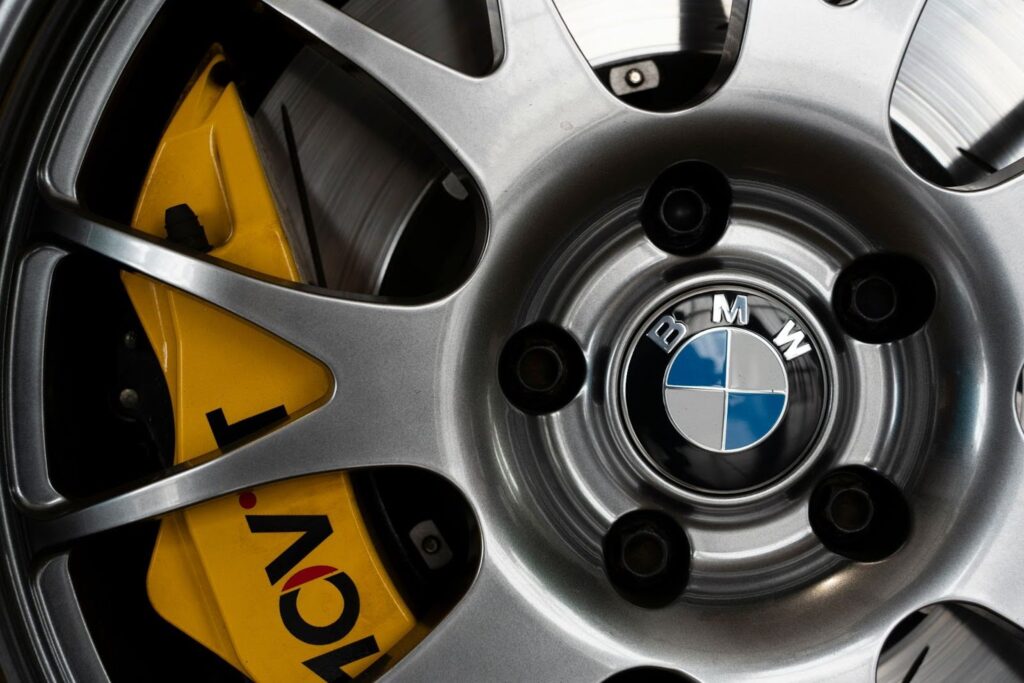
Replacing worn-out brakes isn’t just about preventing annoying noises or minor inconveniences; it’s about safeguarding lives. Worn brakes reduce your vehicle’s ability to stop quickly, increasing the risk of accidents, especially in emergencies. Timely brake replacement not only restores your car’s stopping power but also prevents further damage to other components of the braking system. For instance, replacing brake pads before they wear down completely can save you from having to replace the rotors, which is a more expensive repair.
In addition to enhancing safety, staying on top of brake maintenance can save you money in the long run. Neglecting brake wear often leads to more extensive damage that requires costly repairs. Regular brake inspections and timely replacements give you peace of mind, knowing your car is ready to handle any road conditions.
What Happens During a Brake Replacement?
When you bring your car to a trusted repair shop, the brake replacement process is thorough and meticulous. First, a skilled mechanic will inspect your entire braking system to assess the condition of your brake pads, rotors, calipers, and fluid. If the brake pads are worn, they will be replaced with high-quality parts to ensure durability and performance. If the rotors are warped or damaged, the mechanic may resurface or replace them, depending on their condition.
The mechanic will also check the brake fluid level and quality. Brake fluid plays a crucial role in transferring the force from your foot on the pedal to the brakes themselves. Over time, this fluid can become contaminated and less effective, so it’s essential to replace it as needed. Finally, the entire braking system is tested to ensure it’s functioning properly before your car is returned to you. With professional care, you can drive away with confidence, knowing your brakes are in top shape.
How Often Should You Replace Your Brakes?
The lifespan of brake components depends on various factors, including your driving habits, the type of brakes your car uses, and the conditions in which you drive. As a general guideline, brake pads typically need to be replaced every 30,000 to 70,000 miles. Rotors often last longer, around 50,000 to 70,000 miles, but they may require replacement sooner if they become warped or excessively worn. Brake fluid should be replaced every 2-3 years to prevent system corrosion and maintain optimal performance.
Regular inspections by a professional repair shop can help you stay ahead of potential issues. Most car brake repair shops recommend scheduling a brake check at least once a year or whenever you notice signs of wear. Proactive maintenance is the best way to keep your car’s braking system reliable and safe.
Choosing High-Quality Brake Parts
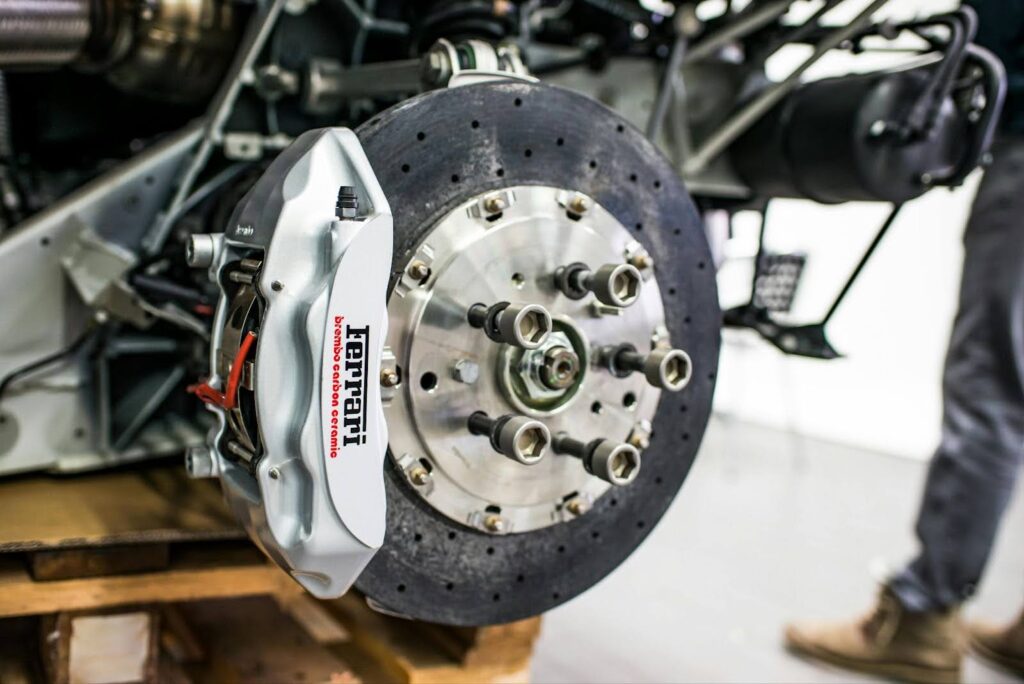
When it comes to replacing your brakes, the quality of the parts matters. Opting for high-quality new brake parts called OEM (Original Equipment Manufacturer) or equivalent parts ensures your new brakes will perform as well as, if not better than, the originals. Premium brake pads and rotors are designed to withstand higher temperatures and provide better stopping power, making them a smart investment for your safety and peace of mind.
At One Stop Lube, we use only the best parts for our customers’ vehicles. Whether you need new brake pads, rotors, or a complete brake system overhaul, our team ensures your car receives the care and components it deserves.
Should You Attempt DIY Brake Repairs?
While some car enthusiasts might be tempted to tackle brake repairs themselves, it’s often best to leave this critical task to professionals. Brake systems are complex, and a mistake during installation can compromise safety. Professional mechanics have the expertise and specialized tools needed to diagnose and repair issues correctly. They can also identify problems you might overlook, such as uneven rotor wear or brake fluid contamination.
Car Brake Repairs at One Stop Lube in Torreance, CA
At One Stop Lube in Torrance, CA, we’re not just another auto repair shop, we’re a team that lives and breathes cars, backed by 25 years of expertise. Whether you need new brake pads, rotors, or a full brake system overhaul, we provide top-tier brake replacement services designed to keep you and your passengers safe. Our skilled technicians use only high-quality parts and precision techniques to restore your vehicle’s stopping power, ensuring reliability and peace of mind every time you hit the road.
What sets us apart? At One Stop Lube, we combine quality craftsmanship with a customer-first approach. Our honest pricing, transparent service, and unwavering commitment to excellence make us a trusted name in Torrance for all your automotive needs. Don’t settle for less when it comes to your safety. Visit us today or book an appointment online to experience the difference and get back on the road with confidence!