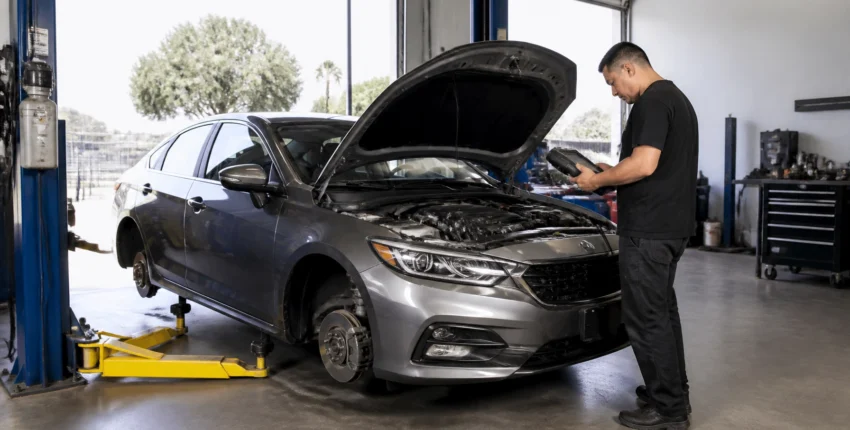
If you are rebuilding a vehicle that was declared a total loss, getting it back on the road takes more than replacing damaged panels and starting the engine. In California, a revived salvage vehicle must pass a salvage title safety inspection before it can be registered and legally driven again.
California’s Bureau of Automotive Repair (BAR) refers to this as a Vehicle Safety Systems Inspection, or VSSI/VSS. The inspection is designed to confirm that critical safety systems work properly after a collision, flood, fire, theft recovery, or another event that resulted in a salvage title.
At One-Stop Auto Cares in Torrance, our team is officially certified to perform Vehicle Safety Systems Inspections. We can help you understand what your vehicle must pass, identify problems before the inspection, and plan repairs without unnecessary expense.
What Is a Salvage Title Safety Inspection?
A Vehicle Safety Systems Inspection verifies that a rebuilt or revived vehicle is safe for public-road use. It is not simply a quick brake check or a visual glance at the headlights. The inspection evaluates several safety-related systems, includes an onboard diagnostic scan, checks for open safety recalls, and includes a road test.
You may need a VSS inspection when registering a revived salvage vehicle in California. Similar inspections may also apply to revived junk vehicles, certain motorcycles, specially constructed vehicles, trailers with a gross vehicle weight rating of 3,000 pounds or more, and off-highway vehicles converted for on-road use.
The inspection station submits an electronic VSS certificate to the DMV if the vehicle passes. You will also receive a vehicle safety report showing the inspection results. You should keep this report with your vehicle records.
A passing inspection is only one part of the registration process. Depending on your situation, the DMV may also require ownership documents, vehicle verification, fees, and a smog check in California.
What Does the California VSS Inspection Cover?
The inspection focuses on the systems most closely connected to your vehicle’s ability to protect you, control the car, and communicate safely with other drivers.
Body Structure
The inspector looks for signs that collision damage was repaired correctly and that the vehicle’s structure is sound. This can include the frame, unibody areas, welded sections, mounting points, and other structural components.
A vehicle can look straight from the outside while still having hidden damage underneath. Uneven panel gaps, doors that do not close normally, unusual tire wear, or a steering wheel that sits off-center may indicate alignment or structural concerns.
Repairs should follow the vehicle manufacturer’s repair specifications. Improvised welds, poorly secured components, or repairs that compromise crash protection can lead to failure.
Brakes and Lights
Braking performance is a major part of a salvage title safety inspection. The system may include the brake pads, rotors, calipers, hydraulic components, parking brake, lines, and overall stopping response.
Pay attention to warning signs before your appointment:
- A grinding or metallic scraping sound when you stop
- A soft or sinking brake pedal
- Pulling to one side during braking
- Vibration through the steering wheel or brake pedal
- Brake, ABS, or stability-control warning lights
The lighting portion generally includes headlights, brake lights, turn signals, hazard lights, side markers, and other required lighting equipment. A single bulb, damaged lens, loose wiring connection, or intermittent signal may be enough to cause a problem.
Passenger Compartment
The passenger compartment inspection covers safety equipment inside the vehicle. Seat belts must be present and function correctly. Airbags that were installed by the manufacturer must be present and in good working order.
A damaged airbag system is especially important after a collision. An airbag warning light that stays on after the vehicle starts should never be ignored or covered up. The same applies to damaged seat-belt pretensioners and missing interior safety components.
A cracked windshield can also result in failure, particularly when the damage affects the driver’s view or compromises the glass’s safety function.
Steering and Suspension
Steering and suspension components help you maintain control when you turn, stop, or travel over uneven pavement. The inspection may identify worn or damaged tie rods, ball joints, control arms, bushings, shocks, struts, steering components, or mounting hardware.
Listen for clunks over speed bumps, popping sounds while turning, or a knocking noise when the vehicle moves over rough roads. A vehicle that wanders, bounces excessively, or feels loose at highway speed needs attention before the inspection.
Tires and Wheels
Tires must be safe, properly mounted, and free from excessive wear or damage. The inspector may look for exposed cords, sidewall bulges, uneven tread wear, mismatched or damaged wheels, and insufficient tread depth.
Check the tire pressure when the tires are cold and compare it with the vehicle manufacturer’s recommended specification. Do not rely only on the number printed on the tire sidewall.
The TPMS system also matters. A TPMS warning light that remains on can contribute to a failed inspection. One-Stop Auto Cares provides complimentary TPMS checks, making it easier to identify pressure, sensor, or system issues before your appointment.
Onboard Diagnostics, Recalls, and Road Test
The vehicle’s onboard diagnostics system is scanned during the VSS process. The inspection also includes a check for open safety recalls and a road test to evaluate how the vehicle performs in real driving conditions.
This is one reason a vehicle that appears clean in a driveway may still fail. The scan may reveal a safety-related fault, while the road test may expose brake pull, steering looseness, suspension noise, or warning-light concerns.
Common Reasons Salvage Vehicles Fail
Many failed inspections come from issues that could have been found during a careful pre-inspection review. The most common trouble areas include:
- Open safety recalls: Required recall repairs must be completed and cleared before inspection.
- Brake system problems: Worn pads, damaged rotors, leaks, weak parking brakes, or ABS faults can prevent a pass.
- Lighting defects: Headlights, brake lights, turn signals, or wiring must work consistently.
- Airbag and seat-belt problems: Missing airbags, deployed components, warning lights, or damaged restraints are serious failure points.
- Cracked windshields: Visibility and passenger safety matter.
- Tire and wheel defects: Worn tread, bulges, bent wheels, or an illuminated TPMS warning can cause failure.
- Improper structural repairs: Repairs that do not meet original equipment manufacturer specifications may not be accepted.
- Unresolved diagnostic faults: A warning light or stored safety-system code may require further testing.
Do not erase diagnostic trouble codes immediately before the inspection. Clearing codes without repairing the underlying problem may leave the vehicle’s emissions or safety monitors incomplete. It can also make it harder to determine what actually needs repair.
If your check engine light is on, One-Stop Auto Cares offers free diagnostic code readings. A code does not automatically identify the failed part, but it gives you a useful starting point for proper testing. You can learn more about our check engine light diagnostic service.
How to Prepare for a VSS Inspection
Preparation can save you a second inspection, extra towing, and the stress of unexpected repairs.
1. Gather Your Documents
Bring the salvage title or other ownership paperwork, bills of sale or component documentation when applicable, and any DMV forms or vehicle verification documents required for your case. DMV requirements can vary depending on the vehicle’s history and whether it was previously registered in California.
Review the California DMV’s revived salvage vehicle requirements before your appointment.
2. Check for Recalls
Use the vehicle identification number to search for open safety recalls. Complete applicable recall repairs before scheduling the inspection, then confirm that the recall record has been updated.
3. Inspect the Warning Lights
Start the vehicle and watch the instrument panel. Warning lights should illuminate briefly during the normal self-check and then turn off as expected. Pay particular attention to the airbag, ABS, brake, traction-control, TPMS, and check engine lights.
A dashboard that smells faintly of hot plastic, shows flickering lights, or has accessories that stop working may point to an electrical problem requiring further diagnosis.
4. Check Brakes, Tires, and Lights
Look at the tire tread and sidewalls, verify tire pressure, and test every exterior light with another person’s help. Listen for brake noise during a short, safe drive and notice whether the car pulls or shudders when stopping.
Do not take chances with recently repaired collision areas. Loose wiring, missing fasteners, unsecured trim, and poorly mounted components can become safety problems.
5. Complete a Smog Check When Required
A VSS inspection and a smog check are separate requirements. Many vehicles model year 1976 and newer need a smog certification for registration, depending on the vehicle and transaction.
If the check engine light is on, address the problem before attempting a smog check. Also make sure the vehicle has completed the necessary emissions readiness monitors after repairs. California’s Bureau of Automotive Repair safety systems information provides additional guidance.

What Happens If Your Vehicle Fails?
If the vehicle does not pass, the station provides a vehicle safety report listing the reasons. Read that report carefully before authorizing repairs. It helps you focus your budget on the issues that actually affect certification.
After the repairs are complete, the vehicle must be inspected again. The station generally rechecks all required safety systems: not just the component that was repaired: so it is worth preparing thoroughly the first time.
At One-Stop Auto Cares, we can help with related repairs and maintenance, including brakes, suspension, electrical concerns, diagnostics, tires, and other issues that may affect road safety. If the repair bill is larger than expected, ask about our flexible financing options through EasyPay Finance and Snap Finance, subject to approval. Manageable payment options may help you complete necessary safety work without postponing repairs that protect you and other drivers.
Get Your Salvage Vehicle Ready in Torrance
A salvage title can make registration feel complicated, but the process becomes more manageable when you know what the inspection covers. Your vehicle must have functioning brakes, lights, tires, steering, suspension, airbags, seat belts, and structural repairs that meet proper safety standards. It must also clear the diagnostic, recall, and road-test portions of the VSS inspection.
If you are searching for auto repair near me in Torrance, bring your vehicle to One-Stop Auto Cares at 2514 Sepulveda Blvd, Torrance, CA 90505. Our officially certified VSS team can help you prepare, and our appointment-based service gives your vehicle dedicated attention.
Schedule a service appointment or call 310-534-0150 before your salvage title safety inspection.