
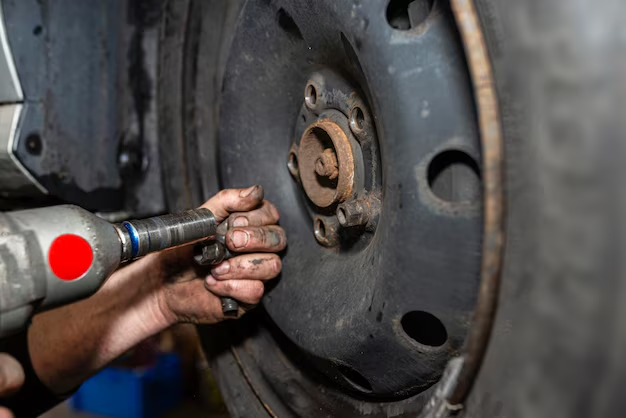
When it comes to vehicle maintenance, brake pad replacement is one of those critical tasks that ensures your safety on the road. If you’ve ever asked yourself, “How much does it cost to replace brake pads?” you’ve come to the right place. This guide will walk you through everything you need to know about brake pad replacement, from understanding the signs that you need new pads to exploring the factors that influence costs. By the end, you’ll have a clear idea of what to expect and how to keep your brake system in top shape.
Why Brake Pad Replacement Matters
Brake pads are essential components of your vehicle’s braking system. They provide the friction needed to slow down and stop your car. Over time, these pads wear down and lose their effectiveness, making it crucial to replace them promptly.
The Role of Brake Pads
Brake pads press against the brake rotors to create the friction that slows your wheels. This friction generates heat, which gradually wears down the pad material. Quality brake pads ensure efficient braking, enhancing both safety and performance. For instance, picture yourself driving down a steep hill; the reliability of your brake pads in such a scenario is vital to prevent accidents and maintain control of your vehicle.
Consequences of Worn-Out Brake Pads
Driving with worn-out brake pads can lead to longer stopping distances, reduced control during braking, and damage to other brake components. This not only compromises your safety but can also lead to more costly repairs. Imagine the scenario of a sudden stop in heavy traffic; without effective brake pads, the risk of a fender bender rises significantly. The cost of repairing damage from collisions could far exceed the price of timely brake pad replacement.
Signs You Need New Brake Pads
Recognizing when it’s time to replace your brake pads is crucial for maintaining a safe driving experience. Here are the common signs that indicate you need new brake pads.
Squeaking or Squealing Noise
A high-pitched squeal when you apply the brakes is often the first sign that your brake pads are wearing thin. Many brake pads have built-in wear indicators that produce this sound as a warning. If you hear this noise, it might be worth scheduling an inspection before it escalates to more severe issues.
Reduced Brake Responsiveness
If you notice that your car takes longer to stop or the brake pedal feels less responsive, it might be time for a brake pad inspection. This decline in performance can be a result of worn pads. For example, a delayed response in stopping at traffic lights could lead to accidents or fines, emphasizing the need to address this issue promptly.
Grinding Sound
A grinding noise when braking often indicates that the brake pads are completely worn out, and the metal backing is coming in contact with the rotors. This is a serious issue that requires immediate attention.
Factors Influencing Brake Pad Replacement Costs
The cost of replacing brake pads can vary widely based on several factors. Understanding these can help you budget accordingly and make informed decisions.
Type of Vehicle
The make and model of your vehicle significantly impact brake pad replacement costs. Luxury or high-performance vehicles often require more expensive parts and specialized labor. For example, replacing brake pads on a BMW or Audi may cost more than on a Honda or Ford due to specialized parts and labor skills.
Type of Brake Pads
Brake pads come in various materials, including organic, semi-metallic, and ceramic. Each type has different performance characteristics and price points. Ceramic pads, while pricier, offer superior performance and longevity. A set of ceramic pads might cost between $50 and $150, compared to $30 to $70 for organic or semi-metallic pads, but can save you money on replacements over time due to their durability.
Labor Costs
Labor costs can vary depending on the shop’s location and expertise. Some areas may have higher hourly rates, and specialized vehicles may require more labor-intensive work. On average, labor costs range from $100 to $150 per axle, but in metropolitan areas, this could be higher.
Front and Rear Brake Pad Costs
Replacing brake pads can involve both the front and rear sets, but they may not wear out at the same rate.
Front Brake Pads
Front brake pads typically wear out faster than rear pads because they handle more of the braking load. As a result, you might find yourself replacing them more frequently. A typical front brake pad replacement might cost between $150 and $300, including parts and labor.
Rear Brake Pads
Rear brake pads usually last longer, but they still need regular inspection. Uneven wear or specific issues with rear brakes can necessitate earlier replacement. Rear brake pad replacement could cost slightly less.
How Often to Replace Brake Pads
Knowing how often to replace your brake pads can prevent unexpected failures and ensure consistent performance.
General Guidelines
Most brake pads need replacing every 30,000 to 70,000 miles, but this can vary based on driving habits and conditions. Regular inspections can help determine the exact timing. It’s a good idea to have your pads checked every 10,000 miles to gauge wear and plan for future replacements.
Driving Habits and Conditions
Frequent city driving, which involves a lot of stop-and-go traffic, can accelerate brake wear. Similarly, driving in hilly areas can put more strain on your brake system. If you regularly drive in these conditions, consider more frequent checks. Adopting smoother braking habits can also prolong the life of your pads, reducing overall maintenance costs.
Tips for Affordable Brake Pad Replacement
Finding affordable brake pad replacement options doesn’t mean compromising on quality. Here are some tips to keep costs down while maintaining safety.
Regular Maintenance
Routine inspections and maintenance can help catch potential issues early, preventing more expensive repairs down the line. For example, catching a small crack or uneven wear early can save you from needing to replace your rotors later.
Shop Around
Don’t settle for the first quote you receive. Compare prices from different auto shops to ensure you’re getting a fair deal. Look for a balance between cost and quality of service. Some shops might offer discounts or package deals on parts and labor that can save you money.
Consider Local Shops
Local auto shops like One Stop Auto Cares often offer competitive pricing and personalized service. Supporting local businesses can be both cost-effective and beneficial for your community. Plus, these shops might provide tailored advice for preventative maintenance based on local driving conditions.
Brake Pad Maintenance Tips
Proper maintenance can extend the life of your brake pads and ensure reliable performance.
Regular Inspections
Have your brakes inspected regularly, even if you don’t notice any issues. This proactive approach can help identify wear and tear before it becomes a problem. Consider making brake checks a part of your regular oil change routine to ensure they’re always in good shape.
Mindful Driving
Adopt a more cautious driving style to reduce brake wear. Avoid sudden stops and maintain a safe following distance to minimize the need for hard braking. For instance, gradually slowing down as you approach stop signs and traffic lights can significantly reduce wear and extend the lifespan of your brake pads.
Use Quality Parts
While it might be tempting to go for the cheapest option, investing in high-quality brake pads can save you money in the long run by lasting longer and providing better performance. High-quality pads might come with warranties or guarantees that provide additional peace of mind and potential cost savings.
Taking the time to understand and address brake pad issues is essential for safe driving. If you’re noticing any signs of wear or simply want peace of mind, reach out to One Stop Auto Cares for professional assistance. Our team is ready to help you with all your brake service needs. Drive safely and keep those brakes in check!