
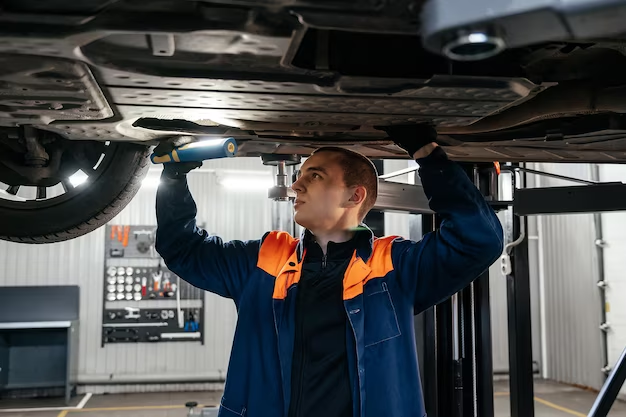
For many vehicle owners, brake maintenance is often overlooked until a problem arises. Yet, understanding the importance of a brake fluid flush can save you from unexpected repairs and ensure your safety on the road. In this guide, we will explore what a brake fluid flush is, how moisture can affect your brakes, why your brake pedal might feel spongy, and how this service protects your Anti-lock Braking System (ABS).
The Basics of Brake Fluid
Brake fluid is a crucial component of your vehicle’s braking system. It transfers the force from your foot on the brake pedal directly to the brakes themselves. This fluid is specially formulated to handle high temperatures and pressures. However, like many car fluids, it doesn’t last forever. Over time, it can degrade, which can compromise the entire braking system.
Why Brake Fluid Needs Replacement
Over time, brake fluid can become contaminated with moisture and other debris. This contamination can lead to reduced braking efficiency. A routine brake fluid flush ensures that your braking system functions optimally, providing the necessary stopping power when you need it most. For instance, imagine driving down a steep hill and suddenly realizing your brakes don’t respond as effectively as they once did. This scenario underscores why regular maintenance is vital.
Identifying When to Change Brake Fluid
Many vehicle manufacturers recommend changing your brake fluid every two years. However, driving conditions, such as frequent stop-and-go traffic or mountainous terrains, might necessitate more frequent changes. Always refer to your vehicle’s owner manual for specific recommendations. For example, if you often drive in a city like San Francisco with its steep hills, your brakes endure more stress, making regular checks even more critical.
The Problem with Moisture
Moisture is the enemy of brake fluid. Over time, brake fluid can absorb water from the air, leading to several issues. This absorption process isn’t just a minor inconvenience; it can significantly affect the safety and functionality of your vehicle.
How Moisture Contaminates Brake Fluid
Brake fluid is hygroscopic, meaning it absorbs moisture from the atmosphere. This process can occur even in a sealed system due to microscopic pores in rubber hoses and seals. As moisture content increases, the boiling point of the brake fluid drops, which can lead to brake failure under extreme conditions. When the fluid boils, it creates vapor bubbles, which can result in a complete loss of braking ability—a terrifying prospect when driving at high speeds.
Testing for Moisture
A brake fluid moisture test can quickly determine the water content in your brake fluid. If the test indicates high moisture levels, it’s time for a brake fluid flush to prevent any potential damage or failure. Regular testing can be a part of your vehicle maintenance routine, much like checking oil levels or tire pressure. By staying proactive, you can avoid costly repairs and ensure your vehicle remains safe to drive.
Preventative measures, such as storing your vehicle in a garage or using high-quality brake fluid, can reduce moisture absorption. Additionally, regularly checking for any leaks in the brake system can help maintain the fluid’s integrity.
Spongy Brake Pedal Feel
One of the most common symptoms of old or contaminated brake fluid is a spongy brake pedal. This not only affects braking efficiency but also driver confidence. Imagine pressing down on the brake pedal and feeling it sink with little resistance—this can cause panic and lead to unsafe driving situations.
Causes of a Spongy Pedal
When moisture-laden brake fluid heats up, it can vaporize, creating gas bubbles in the hydraulic system. Unlike fluid, gas is compressible, leading to a spongy or soft brake pedal. This condition can severely impact your ability to stop quickly. Such a scenario could arise during a long descent down a mountain road, where frequent braking is necessary, and the brakes are under constant demand.
Resolving Pedal Issues
Performing a brake fluid flush will remove the contaminated fluid and replace it with fresh fluid. This restores pedal firmness and ensures the system can perform as designed. If you notice a spongy brake pedal, it’s essential to address the issue immediately to maintain your vehicle’s safety and performance. Keeping your braking system in top condition can prevent accidents and give you peace of mind on the road.
Protecting Your ABS System
Your vehicle’s ABS is a critical safety feature, ensuring stability and control during emergency braking. Maintaining your brake fluid is essential for protecting this system. A well-maintained ABS can mean the difference between a safe stop and a collision.
How Brake Fluid Affects ABS
Contaminated brake fluid can impair the function of the ABS, leading to erratic braking behavior or complete system failure. Since ABS relies on precise hydraulic pressure, any impurities or air in the system can disrupt its operation. Consider the role ABS plays during an emergency stop on a wet road; its ability to modulate brake pressure and prevent wheel lockup is crucial, and any malfunction can have dire consequences.
The Benefits of Regular Maintenance
Regular brake fluid flushes ensure that your ABS system functions reliably. This maintenance prevents costly repairs and keeps your braking system responsive and safe. Investing in regular maintenance can help avoid a scenario where ABS failure leads to a significant accident, which not only involves repair costs but also potential injury and increased insurance premiums.
Recognizing Brake Warning Signs
Ignoring brake warning signs can lead to severe consequences. Familiarize yourself with the signals that indicate a problem. Recognizing these early can save you from more extensive repairs and ensure your safety.
Common Brake Warning Lights
Your vehicle may display a brake warning light or an ABS light on the dashboard. These indicators should never be ignored, as they signify underlying issues that need immediate attention. Addressing them promptly can prevent further damage and ensure that your vehicle remains safe to operate.
Additional Symptoms of Brake Issues
Beyond dashboard warnings, other symptoms like unusual noises, persistent spongy pedal, or visible brake fluid leaks can indicate a problem. Address these issues promptly to ensure your safety. Conducting regular inspections and listening to your vehicle can help catch potential problems early, saving you time and money in the long run.
Local Considerations for Brake Fluid Service
If you’re in Torrance, CA, understanding local driving conditions can help in planning your brake fluid service. The city’s traffic patterns and coastal humidity can contribute to faster moisture accumulation in your brake fluid. Considering these local factors can help you schedule maintenance when it’s most needed, keeping your vehicle in optimal condition.
Seasonal and Environmental Factors
Coastal climates, like Torrance, are more humid, which can accelerate the absorption of moisture into your brake fluid. It’s wise to schedule regular brake fluid checks and flushes to counteract these conditions. Additionally, if you frequently drive in stop-and-go traffic or on hilly roads, more frequent maintenance may be necessary to keep your brakes functioning correctly.
Finding Expert Service in Torrance, CA
For those in Torrance and surrounding areas, One Stop Auto Cares offers expert brake fluid services. Our skilled technicians will ensure your braking system functions optimally, providing you with peace of mind on the road.
Ultimately, maintaining your brake fluid is a small investment for your safety and your vehicle’s longevity. Don’t wait for a problem to arise before taking action. Contact One Stop Auto Cares today for a professional brake fluid check and flush. Your safety is our top priority, and we are here to ensure your vehicle runs smoothly.